
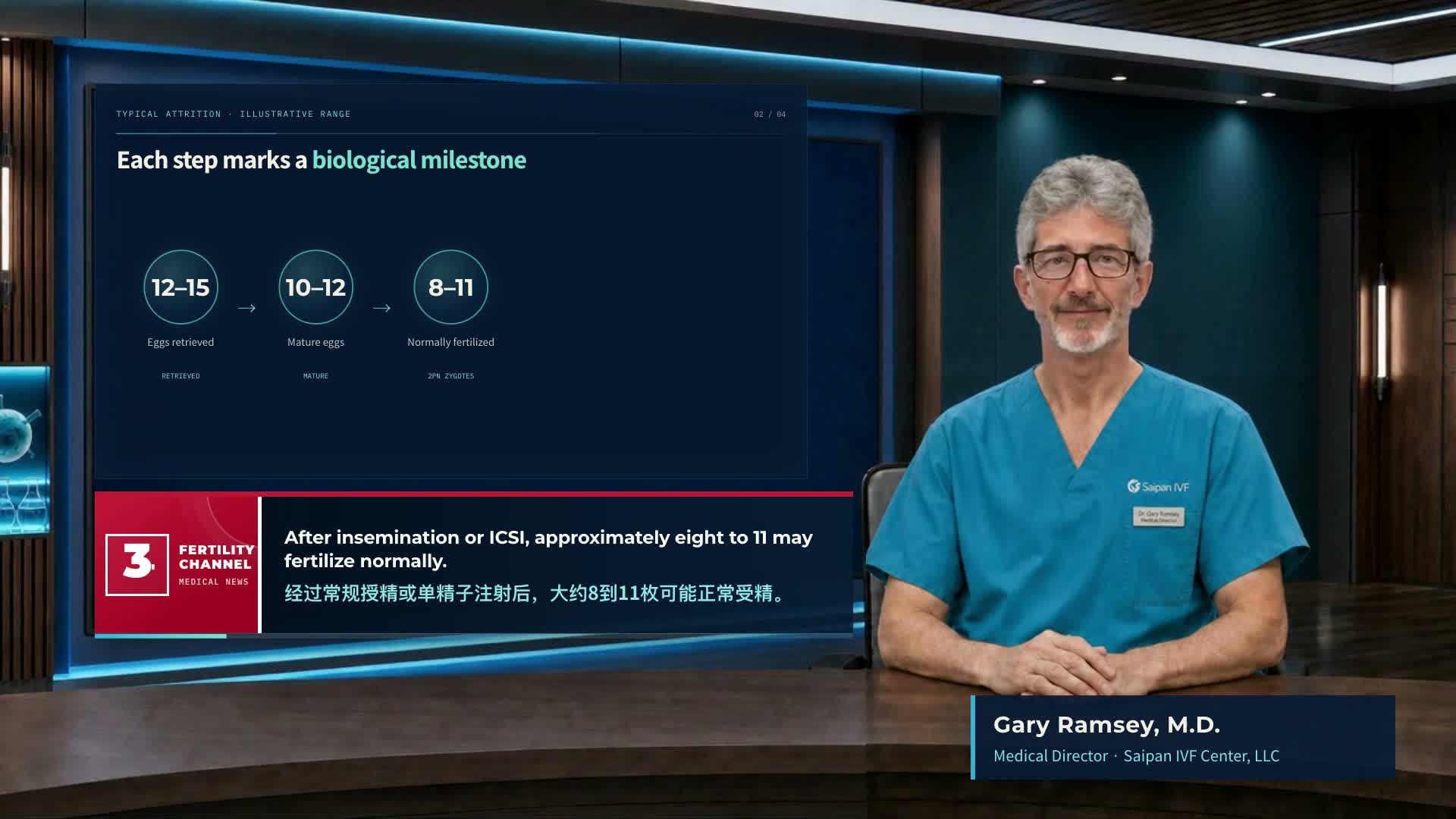
Before IVF, a clinic usually builds a clinical picture rather than relying on one test. Depending on a person's history and treatment plan, that can include a reproductive and medical history, ultrasound, ovarian-reserve markers such as AMH or antral follicle count, semen analysis, and selected checks of the uterus, fallopian tubes or general health. The exact list is individual; a licensed physician should decide which tests are useful and how to interpret them.
What fertility tests are done before IVF?
There is no universal checklist that is right for every person. A fertility evaluation commonly starts with a focused history and examination, then uses tests to answer particular clinical questions: whether ovulation may need further assessment, whether the uterus or tubes need evaluation, how the ovaries may respond to stimulation, and whether sperm factors need attention. A clinic may also request safety screening and consent steps before treatment begins.
- Medical, reproductive and family history, including earlier pregnancies and fertility treatment
- Menstrual pattern and targeted assessment of ovulation where appropriate
- Ultrasound or other imaging of the uterus and ovaries when indicated
- Ovarian-reserve markers such as AMH, antral follicle count, or selected hormone tests
- Semen analysis when sperm will contribute to the treatment plan
- Additional laboratory, genetic or health checks chosen for the individual pathway
How does a fertility history and ultrasound help before IVF?
The first appointment is not only a blood-test visit. A clinician may ask about cycle timing, previous pregnancies or treatment, medical conditions, family history, medicines and supplements. Menstrual patterns can guide whether more focused testing is needed. When it is clinically appropriate, a transvaginal ultrasound can help assess the uterus and ovaries and identify an antral follicle count. An ultrasound result is not a diagnosis or a prediction on its own; it has to be interpreted with the rest of the history.
Is AMH a fertility test before IVF?
AMH is one marker of ovarian reserve, not an all-purpose fertility score. AMH and antral follicle count can help a physician plan ovarian stimulation and discuss the possible ovarian response to treatment. Basal FSH and estradiol may add context in selected situations. Ovarian-reserve tests mainly describe the remaining follicle pool and the possible response to stimulation. They do not measure every part of reproductive potential or provide a complete measure of egg quality. A low result does not by itself establish that pregnancy is impossible, and it should not be used as the sole reason to deny treatment.
Does the male partner need a semen analysis before IVF?
When sperm will contribute to a pregnancy, evaluation of both partners should start in parallel. The American Society for Reproductive Medicine recommends obtaining a reproductive history and at least one semen analysis early in the evaluation when applicable. The report may lead to a repeat sample or specialist review, but an online article cannot decide what a specific result means. Advanced sperm tests are not automatically part of every first evaluation; ask what clinical question an additional test is intended to answer and who will interpret the result.
Do you need a tubal or uterine test before IVF?
Tubal and uterine assessment is selected according to symptoms, history, previous findings and the treatment plan. Hysterosalpingography and sonohysterography are established ways to assess tubal patency in an infertility evaluation. Ultrasound or another uterine assessment may be used when there is a structural question to clarify. That does not mean everyone should arrange every procedure before IVF. Laparoscopy is not a routine first-line test for tubal patency. Ask why a proposed test is relevant to your situation and how its result would change the plan.
Are extra blood, genetic or immune tests always needed before IVF?
No. A clinic may request pre-treatment blood tests or other safety checks; the NHS gives HIV, hepatitis B and hepatitis C screening as examples that may be needed before treatment in its setting. Requirements differ between clinics and jurisdictions. Genetic counselling or targeted testing may be relevant if a known condition, family history or treatment pathway raises a specific question. Ask what each proposed test is intended to answer, whether the result would alter care, and who will discuss it with you.
What should you ask the clinic about your test checklist?
A written checklist can reduce repeated testing and make an overseas consultation easier. Ask the clinic to separate tests needed for an initial consultation from those required before medicines or procedures. Keep original reports, test dates and laboratory information, and share records only through the clinic's approved secure channel.
- Which tests are required and which are considered only when indicated?
- How recent must each result be, and will the clinic accept an outside report?
- Does a hormone test need to be done on a particular cycle day?
- Who will interpret the AMH, ultrasound or semen-analysis findings?
- Which records should be shared before a consultation?
- What additional screening or consent documents are needed before treatment?
What is the safest takeaway about IVF testing?
The most useful pre-IVF evaluation is the one that answers a real clinical question for the person in front of the physician. Testing can help a clinic understand the pathway and plan the next conversation, but a result is not a promise or a verdict. Bring previous reports, a complete medicine and supplement list, and written questions to a licensed physician; let that clinician decide which tests are appropriate and what they mean for you.
SOURCES
Sources and review method
Editorially reviewed against the sources below on 15 August 2026. Individual testing and treatment decisions require a licensed physician who knows your history.
- American Society for Reproductive MedicineFertility evaluation of infertile women: a committee opinion (2021)
Supports the history and examination, ovulatory, uterine and tubal, and parallel semen-evaluation framing.
- American Society for Reproductive MedicineTesting and interpreting measures of ovarian reserve: a committee opinion (2020)
Supports the explanation and limits of AMH, FSH, estradiol and antral follicle count.
- National Institute for Health and Care ExcellenceFertility problems: assessment and treatment (NG257)
Supports the current framework for assessment and treatment of health-related fertility problems.
- NHSIVF
Supports the statement that clinics may request pre-treatment infection screening in their own setting.